
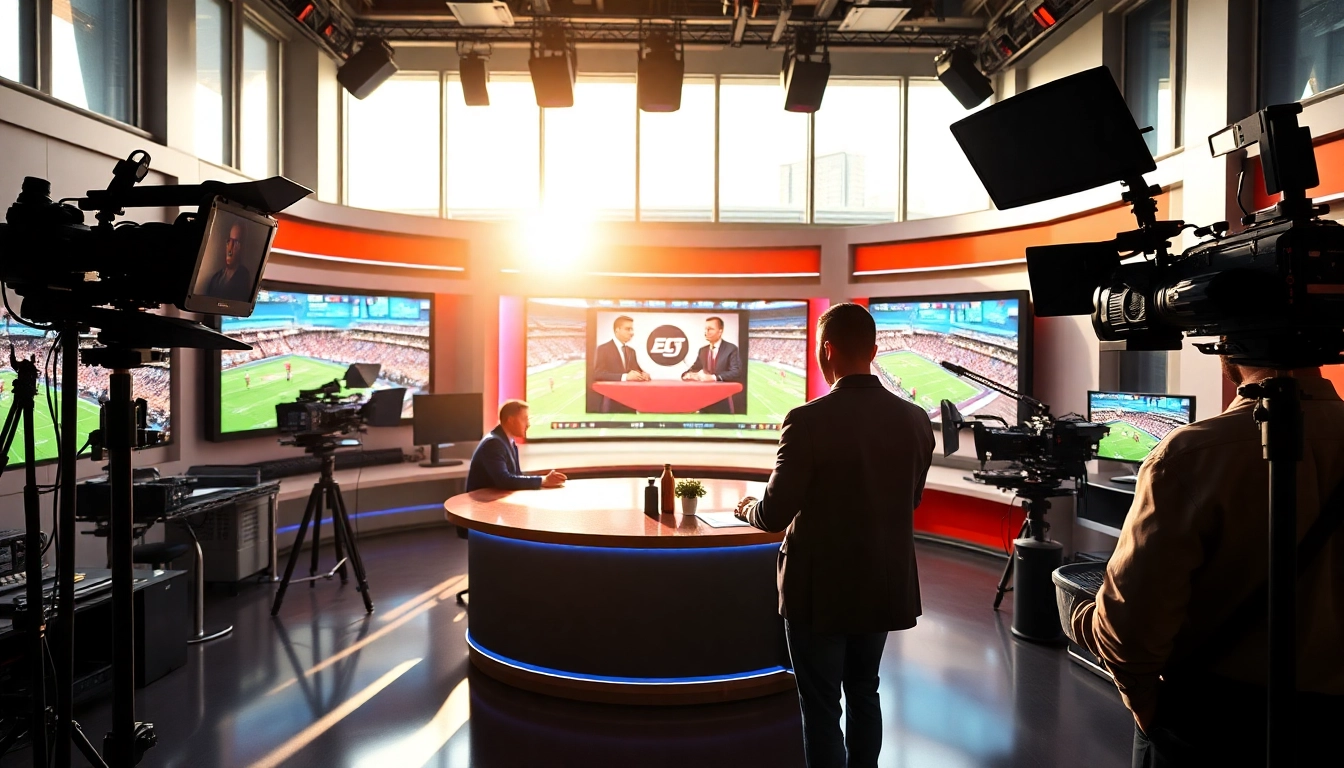
Understanding the Foundations of Sports Broadcasting
What is Sports Broadcasting?
Sports broadcasting refers to the dissemination of sports-related content through various platforms, including television, radio, online streaming, and social media. This captivating field not only includes the live coverage of events but also involves sports analysis, commentary, interviews, feature shows, and more. Broadcasters utilize advanced technology and storytelling techniques to engage viewers, creating an immersive experience that not only entertains but also informs the audience about the sports they love. Online platforms have expanded the reach of Sports Broadcasting, allowing fans to consume content anytime and anywhere.
Historical Overview of Sports Broadcasting
The roots of sports broadcasting can be traced back to the early 20th century when radio first became a popular medium. Sports events, such as baseball games, were broadcast live, making it possible for fans to follow their favorite teams from home. The era of television began in the 1930s and exploded in the 1950s, leading to widespread coverage of significant events like the Super Bowl and World Cup, forming a bond between viewers and their favorite sports.
In recent decades, the expansion of the internet has sparked revolutionary changes in how sports broadcasting operates. The introduction of cable networks and later streaming platforms has enabled fans to access a wider variety of sports content, leading to the growth of niche markets and specialized coverage.
The Role of Technology in Sports Broadcasting
Technology plays a pivotal role in enhancing the quality and accessibility of sports broadcasts. With the advent of high-definition (HD) and ultra-high-definition (UHD) cameras, viewers now enjoy crystal-clear images that bring sports events to life. Additionally, advancements such as instant replay, slow-motion analysis, and augmented reality (AR) enrich the viewing experience by allowing fans to see crucial moments from various angles, often in real-time.
Moreover, digital streaming services and social media platforms have transformed how audiences interact with sports content. Fans can watch live games on their devices, access highlights, and engage in conversations through platforms like Twitter and Instagram. This two-way communication fosters community and discussion, making the broadcasting of sports more interactive than ever before.
Key Components of Effective Sports Broadcasting
Essential Equipment for Sports Broadcasting
The equipment used in sports broadcasting has evolved significantly and plays a crucial part in producing high-quality content. Some of the essential components include:
- Cameras: Multiple angle cameras are crucial for capturing every moment of an event.
- Microphones: High-quality microphones ensure clear audio from commentators and on-field sounds.
- Mixers: Audio mixers balance various sound inputs, creating a seamless listening experience.
- Broadcasting Software: Software solutions for editing, switching between camera feeds, and streaming have become indispensable.
Each piece of equipment plays a role in delivering a cohesive and engaging watching experience, ensuring that the action on the field is matched by a high production value.
Choosing the Right Broadcast Team
The success of a sports broadcast often hinges on the expertise and charisma of the broadcast team. Key roles in this team include commentators, analysts, and on-field reporters. Each member brings unique perspectives, and their chemistry can enhance viewer engagement.
Effective commentary goes beyond play-by-play; it should offer insight, context, and storytelling. Analysts are responsible for dissecting plays and providing deeper understanding of strategies, while on-field reporters bring exclusive interviews and updates from the sidelines, adding a layer of immediacy to the broadcast.
Crafting Engaging Commentary
Crafting engaging commentary is an art form that relies on deep knowledge of the sport, the ability to convey excitement, and skillful storytelling. Commentators must connect with the audience through enthusiasm and clarity. They should be able to highlight critical moments and provide insights that enhance the understanding of the game.
To make commentary more compelling, announcers can incorporate historical context, personal anecdotes, and statistical data that add rich layers to what is presented. An engaging commentator knows how to balance enthusiasm and professionalism, capturing the viewers’ attention while maintaining respect for the sport.
Strategies for Successful Sports Broadcasting
Understanding Your Audience
Understanding the audience is paramount in sports broadcasting. Different demographics have varied preferences regarding what type of content they enjoy, how they consume it, and when they engage with it. Broadcasters should consider factors such as age, location, and sports affiliations. Market research and viewer surveys can provide valuable insights into audience preferences, guiding content creation and programming decisions.
Engaging with fans through social media and receiving real-time feedback allows broadcasters to adapt their strategies to meet audience needs, thereby enhancing viewer loyalty.
Creating Compelling Storylines in Sports
Creating compelling storylines is vital for keeping audiences engaged throughout a sports broadcast. This involves weaving narratives about teams, players, rivalries, and notable events, making each match more than just a game. Broadcasters should develop story angles alongside game coverage, highlighting themes like underdog stories, historic rivalries, and athlete journeys.
Storytelling enhances the emotional connection between the viewer and the sport, making audiences invested not only in the outcome of the match but also in the broader context surrounding it.
Developing a Unique Broadcast Style
Developing a unique broadcast style can differentiate a network or platform in a crowded sports broadcasting landscape. This may include distinctive camera angles, editing styles, and signature phrases from commentators. The overall tone can also define how audiences perceive the brand; whether it seeks to be humorous, serious, informative, or entertaining.
Broadcasters should also embrace and leverage digital platforms to create a multi-faceted viewing experience, such as behind-the-scenes content, interactive polls, and audience-driven commentary, ensuring they stand out in the minds of viewers.
Challenges in the Sports Broadcasting Landscape
Adapting to Rapid Technological Changes
The rapid pace of technological advancements presents both opportunities and challenges in sports broadcasting. Broadcasters must continually invest in new technologies to remain competitive, which can pose financial challenges. Moreover, they need to innovate their broadcasting approaches as consumer preferences shift towards digital and mobile platforms.
To keep pace with technology, sports organizations and broadcasters should prioritize ongoing education and training for their teams, investing in adaptability so they can evolve as quickly as the technology does.
Managing Audience Expectations
With the influx of sports content available across multiple platforms, audience expectations are at an all-time high. Viewers demand high-quality broadcasts, real-time updates, and interactive content. Failing to meet these expectations can lead to dissatisfaction and loss of viewers.
To manage these expectations, it’s essential to set clear benchmarks for broadcast quality, maintain communication with the audience about what they can expect, and continually strive to exceed those benchmarks through consistent audience engagement.
Legal and Ethical Considerations in Broadcasting
Sports broadcasting operates within a framework of legal and ethical considerations that cannot be overlooked. Compliance with broadcasting regulations, copyright laws, and rights agreements are critical to avoiding legal complications. Broadcasters must also adhere to ethical guidelines, ensuring fairness, representation, and the responsible handling of content.
Establishing a clear legal framework and ethical standards for sports broadcasts can safeguard organizations against potential legal issues and maintain trust with the audience.
Measuring Success in Sports Broadcasting
Key Performance Indicators for Sports Broadcasting
Measuring the success of sports broadcasting involves utilizing Key Performance Indicators (KPIs) such as viewership numbers, audience retention rates, and engagement metrics across various platforms. Tracking these KPIs enables broadcasters to understand their impact, make data-driven decisions, and refine their strategies accordingly.
Broadcasters should also leverage analytic tools to gather insights on what content resonates with viewers, allowing for targeted adjustments that enhance overall performance.
Analyzing Viewer Engagement and Feedback
Analyzing viewer engagement is essential for understanding how audiences interact with broadcasts. Feedback can be captured through surveys, social media interactions, and viewership patterns. These insights help in shaping future content and addressing areas where viewers may feel underserved.
Encouraging viewer participation through polls and discussions can also drive engagement by making fans feel that their opinions matter within the broadcasting landscape.
Adapting and Improving Future Broadcasts
Continuous improvement is key in the dynamic arena of sports broadcasting. By evaluating past performances and implementing strategies based on viewer feedback and engagement metrics, broadcasters can refine their approaches and enhance future broadcasts. Staying agile allows organizations to embrace change and respond effectively to the constantly evolving landscape.
Frequently Asked Questions
What is the primary role of sports broadcasting?
The primary role of sports broadcasting is to deliver live coverage, analysis, and commentary on sports events to engage and inform audiences across various platforms.
How has technology impacted sports broadcasting?
Technology has enhanced sports broadcasting through high-definition video, instant replay, streaming services, augmented reality, and interactive content, enriching viewer experiences.
What are key performance indicators in sports broadcasting?
Key performance indicators (KPIs) include viewership numbers, audience retention rates, engagement metrics, and social media interactions that help measure the success of broadcasts.
How can broadcasters adapt to audience preferences?
Broadcasters can adapt by conducting audience research, encouraging feedback, and continuously monitoring trends to align content and strategies with viewer preferences.
What challenges do sports broadcasters face today?
Sports broadcasters face challenges such as rapid technological changes, managing audience expectations, legal compliance, and the need to innovate amidst growing competition.