
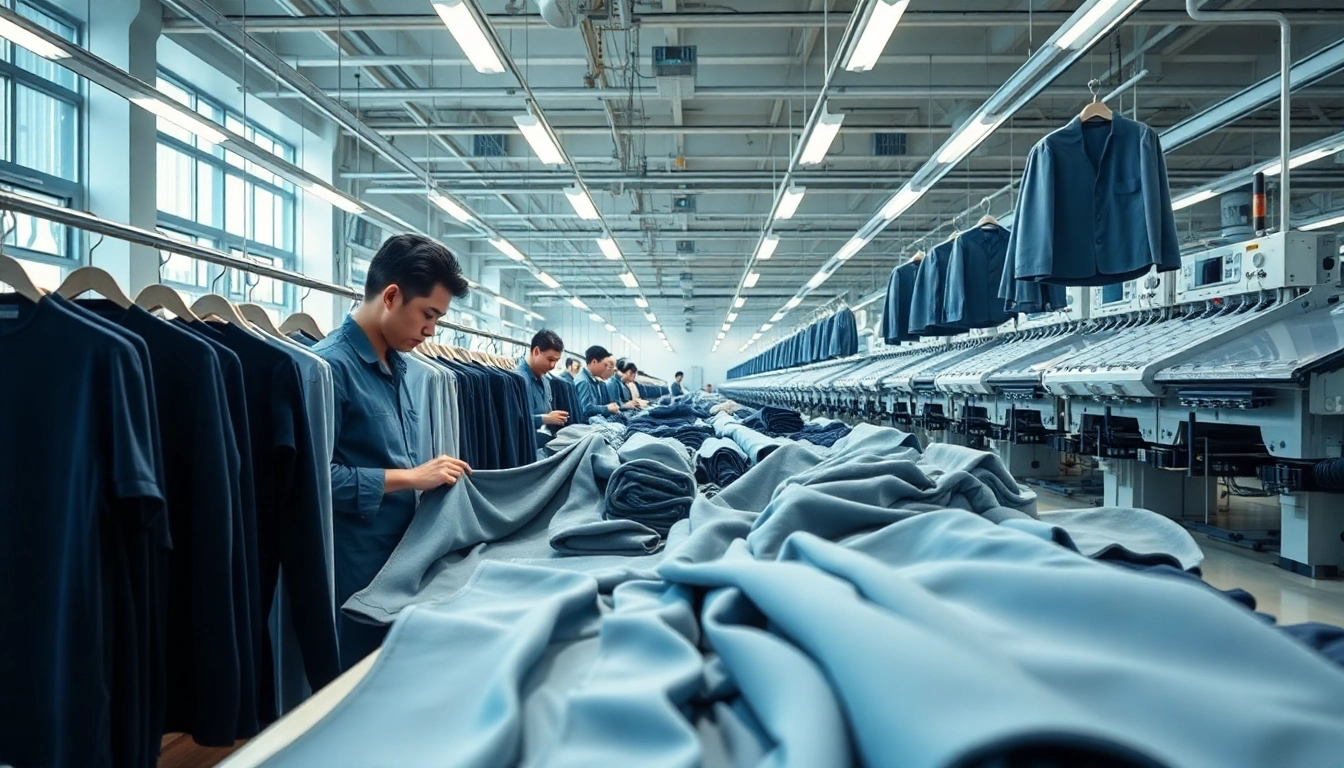
The Importance of Choosing the Right Garment Suppliers in China
In the global textile industry, China has established itself as a formidable player, offering a plethora of options for businesses seeking garment suppliers. The significance of selecting the right suppliers cannot be overstated; it can directly affect production quality, timelines, and ultimately, your brand’s reputation. With the vast array of Garment suppliers in China, understanding what to look for has become crucial for efficiency and success.
Factors to Consider When Selecting Suppliers
Choosing a garment supplier involves evaluating several key factors. First and foremost, consider the supplier’s experience and expertise in the specific type of clothing you wish to produce. An experienced supplier will have better insights into the nuances of production processes, material sourcing, and market trends. Additionally, assess their production capabilities, including machinery and technology used, to ensure they can meet your production demands.
Furthermore, evaluating the supplier’s customer service approach is essential. Effective communication and responsiveness can significantly influence your collaboration. Lastly, consider geographical proximity; suppliers located closer to your market may offer faster shipping times and lower transportation costs.
How Quality Impacts Your Brand
The quality of garments produced by your suppliers is a direct reflection of your brand. Poor-quality products can lead to decreased customer satisfaction, increased return rates, and reputational damage. Investing time in selecting reliable suppliers who maintain high quality standards pays dividends in customer loyalty and brand image. Consider implementing quality control measures and requesting samples before finalizing any agreements.
Building Long-Term Relationships with Suppliers
A long-term partnership with reliable suppliers can be invaluable. These relationships foster trust and understanding, leading to better terms, priority service, and improved negotiation power. Establish consistent communication, show appreciation for their efforts, and work collaboratively to resolve any issues. Such partnerships often lead to mutual growth and increased efficiency in your supply chain.
Types of Garment Suppliers in China
Manufacturers vs. Sourcing Agents
Understanding the distinction between manufacturers and sourcing agents is crucial in your supplier selection process. Manufacturers produce garments directly, offering control over production processes and standards. They typically offer lower prices due to fewer intermediaries. In contrast, sourcing agents help businesses find suitable manufacturers, acting as facilitators to streamline the procurement process.
Sourcing agents may offer additional services, such as quality assurance and logistics, but often charge a fee for their expertise. Assess your business needs to determine which option aligns best with your operational goals.
Advantages of Working with Local Suppliers
Choosing to work with local suppliers in China comes with distinct advantages. These suppliers often have a deeper understanding of regional markets and consumer preferences, which can facilitate better product-market fit. Proximity also influences lead times significantly; shorter distances can result in quicker turnaround times and reduced shipping costs.
Moreover, local suppliers might be more flexible with order sizes and modifications, catering to businesses looking to make quick changes without extensive delays.
Understanding Different Production Capabilities
Each garment supplier possesses unique production capabilities influenced by their technology, expertise, and resources. Understanding these capabilities can inform which suppliers are best suited for your business needs. Some suppliers may specialize in specific fabric types, while others excel in intricate designs or large-scale productions.
Consider conducting a thorough analysis of potential suppliers’ portfolios and capabilities to evaluate whether they can meet your specific requirements efficiently.
Evaluating Garment Suppliers in China: Essential Criteria
Quality Control Processes to Look For
When assessing potential garment suppliers, it’s imperative to scrutinize their quality control processes. A reliable supplier should have comprehensive measures in place that ensure consistency and quality at every stage of production. Ask about their inspection procedures, frequency of quality checks, and how they handle defective products.
Key Certifications and Standards
Certifications such as ISO, OEKO-TEX, and GOTS are indicators of a supplier’s commitment to quality and sustainability. These credentials assure that suppliers meet specific quality standards and are compliant with environmental regulations. When selecting a supplier, it’s beneficial to verify these certifications to ensure alignment with your brand’s values.
Assessing Supplier Transparency and Communication
Transparency is critical when building a relationship with garment suppliers. Assess their willingness to provide information about their sourcing, production processes, and quality control measures. Open lines of communication not only facilitate smoother transactions but help build trust over time.
Challenges When Dealing with Garment Suppliers in China
Managing Language Barriers Effectively
Language barriers can pose substantial challenges in communication with garment suppliers in China. Misunderstandings due to language differences can lead to errors in orders or production delays. To mitigate this, it’s advisable to use clear, simple language and, if possible, engage bilingual staff or translators during negotiations. Utilizing visual aids and detailed specifications can also assist in smoothing communication.
Addressing Production Delays and Quality Issues
Production delays and quality issues are common pain points in global supply chains. To effectively address these concerns, establish clear timelines upfront and monitor progress closely. Having robust contracts that outline expectations and penalties for delays can also provide a level of accountability. Regularly scheduled audits and assessments of the production process can help identify potential issues before they escalate.
Navigating Cultural Differences in Business
Cultural differences can significantly influence business interactions and negotiations. Understanding Chinese business culture, which often emphasizes relationships and trust, can enhance collaboration with garment suppliers. Invest time in learning about cultural norms and practices, and approach negotiations with respect and openness to build rapport.
Best Practices for Working with Garment Suppliers in China
Establishing Clear Communication Channels
Clear communication is the backbone of successful supplier relationships. Establishing regular check-ins, using collaborative project management tools, and setting clear expectations can reduce misunderstandings and foster strong partnerships. Utilize various communication channels—emails, calls, and video conferences—to ensure that all parties are aligned and informed.
Setting Realistic Timelines and Expectations
Establishing realistic timelines for production and delivery helps manage both your expectations and those of your suppliers. Ensure that timelines consider potential delays, such as seasonal demand fluctuations and holidays. Transparent discussions about deadlines can lead to enhanced efficiency and trust.
Regular Audits and Performance Assessments
Conducting regular audits of your suppliers is vital for maintaining quality and compliance. These assessments can help identify areas for improvement and ensure adherence to standards. Encourage suppliers to open their operations for inspections, which demonstrates a commitment to quality and builds trust in your partnership.
Frequently Asked Questions
What are common challenges with garment suppliers in China?
Common challenges include communication barriers, quality control issues, and production delays due to cultural differences.
How do I ensure quality from my suppliers?
Establish strict quality control measures, request samples, and look for certifications when selecting suppliers.
Can I negotiate prices with garment suppliers in China?
Yes, negotiating prices is common practice, especially if you are placing large orders or establishing a long-term relationship.
What types of clothing can I source from China?
You can source a wide variety of apparel, including casual wear, formal wear, sportswear, and specialized garments.
Are there minimum order quantities with garment suppliers?
Most suppliers have minimum order quantities, which can vary depending on the type of garment and the supplier’s policies.